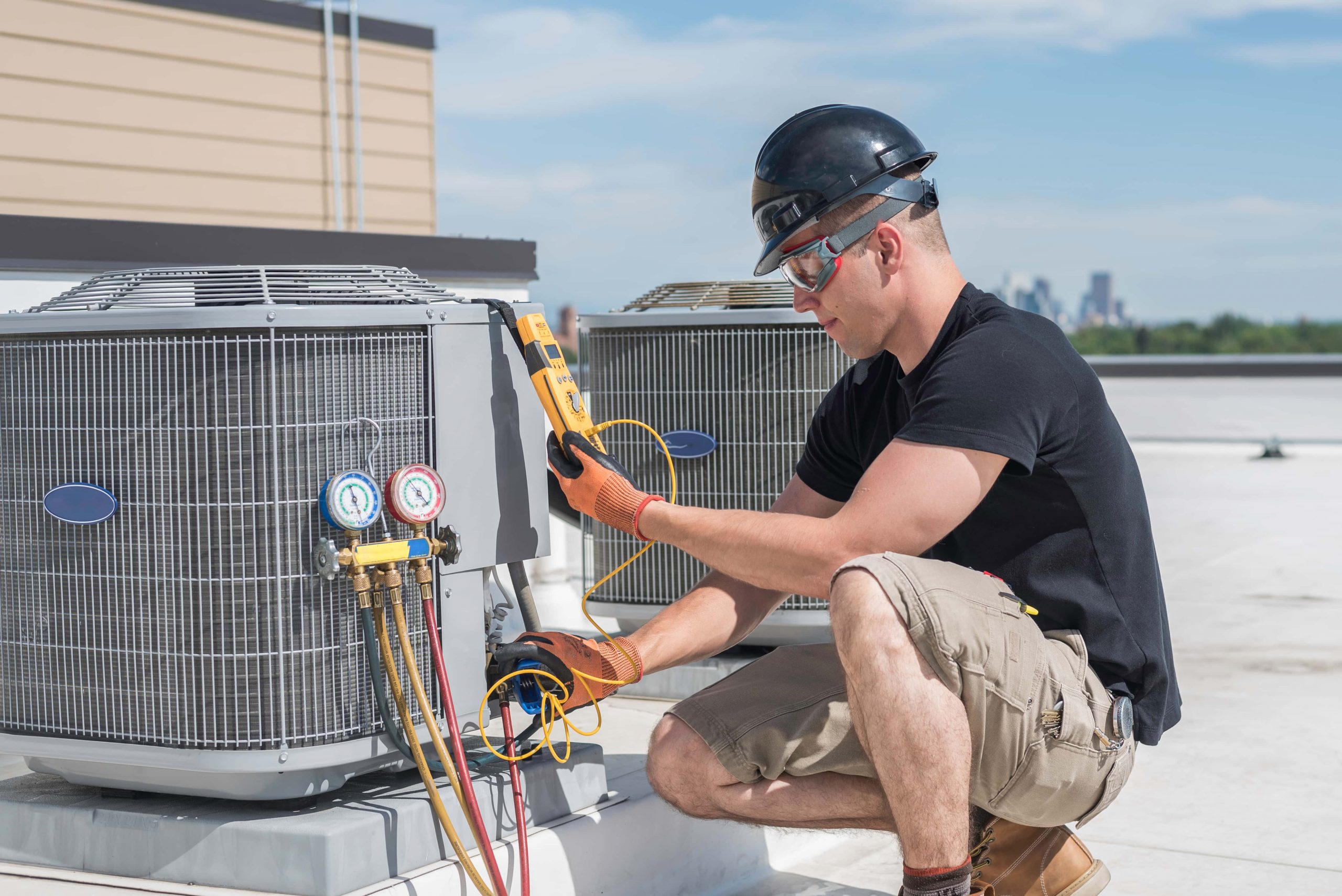
In modern living and working environments, Heating, Ventilation, and Air conditioning (HVAC) systems are indispensable. These systems not only provide comfort by regulating temperature and humidity but also play a crucial role in ensuring indoor air quality and energy efficiency. This article explores the significance of HVAC services Heating and cooling services Oakville, the benefits they offer, the importance of regular maintenance, and the latest advancements in HVAC technology.
The benefits of HVAC Services
Enhanced Comfort
HVAC systems are designed to maintain a consistent indoor climate, making living and working spaces comfortable regardless of external weather conditions. By controlling temperature and humidity, these systems create an environment that supports productivity and relaxation. In addition to temperature control, modern HVAC systems can be equipped with air purification technologies to remove contaminants, further enhancing indoor comfort.
Improved Air quality
Indoor air quality (IAQ) is a critical aspect of healthy living, especially for those with respiratory conditions or allergies. HVAC systems help improve IAQ by filtering out dust, pollen, mold spores, and other pollutants. Regular maintenance of HVAC systems ensures that filters and ducts remain clean, preventing the circulation of contaminants and maintaining a healthy indoor environment.
Energy Efficiency and Cost savings
Energy efficiency is a key consideration for HVAC systems. Efficient systems consume less energy, leading to lower utility bills and reduced environmental impact. Regular maintenance ensures that HVAC systems operate at peak efficiency, preventing issues that could cause excessive energy consumption. Upgrading to modern, energy-efficient systems can also result in significant cost savings over time.
The importance of Regular Maintenance
Preventing Breakdowns
Routine HVAC maintenance is essential to prevent unexpected system failures. During maintenance visits, technicians inspect and clean components, identify potential issues, and make necessary adjustments. This proactive approach reduces the likelihood of costly repairs and extends the lifespan of the system.
Enhancing Safety
A malfunctioning HVAC system can pose safety risks, such as carbon monoxide leaks from faulty furnaces. Regular maintenance includes safety checks to ensure all components function correctly and there are no hazardous conditions. By prioritizing maintenance, property owners can protect occupants from potential dangers.
Extending System Lifespan
HVAC systems are significant investments, and regular maintenance helps maximize their longevity. Well-maintained systems experience less wear and tear, reducing the need for premature replacements. This not only saves money but also ensures reliable performance over many years.
Advancements in HVAC Technology
Smart Thermostats
The advent of smart thermostats has revolutionized HVAC control. These devices allow users to remotely manage their HVAC systems via smartphones or tablets, offering convenience and energy savings. Smart thermostats can learn user preferences, create optimized schedules, and even adjust settings based on occupancy patterns, enhancing both comfort and efficiency.
Energy-Efficient Systems
Modern HVAC systems are designed with energy efficiency in mind. Innovations such as variable-speed compressors and advanced heat exchangers enable systems to adjust output based on real-time demand, reducing energy consumption. Additionally, the use of environmentally friendly refrigerants helps minimize the ecological footprint of HVAC systems.
Renewable Energy Integration
The integration of renewable energy sources, such as solar and geothermal energy, into HVAC systems is an exciting advancement. Solar-powered HVAC systems use the sun’s energy for heating and cooling, while geothermal systems harness the earth’s stable temperatures for efficient climate control. These technologies offer sustainable solutions that reduce reliance on traditional energy sources and lower utility costs.
Conclusion
HVAC services are essential for maintaining comfortable, healthy, and energy-efficient indoor environments. The benefits of these systems extend beyond mere temperature control, encompassing improved air quality, cost savings, and environmental sustainability. Regular maintenance is crucial to prevent breakdowns, enhance safety, and prolong system lifespan. With advancements in technology, modern HVAC systems offer even greater efficiency, convenience, and integration with renewable energy sources. By investing in professional HVAC services and staying informed about technological developments, property owners can ensure optimal performance and enjoy the full benefits of their HVAC systems.